|
For
Washington,
the
appeal
is
clear. A
deal
that
lowers
the
temperature
in the
Middle
East
would
reduce
the
threat
to U.S.
forces,
ease
pressure
on
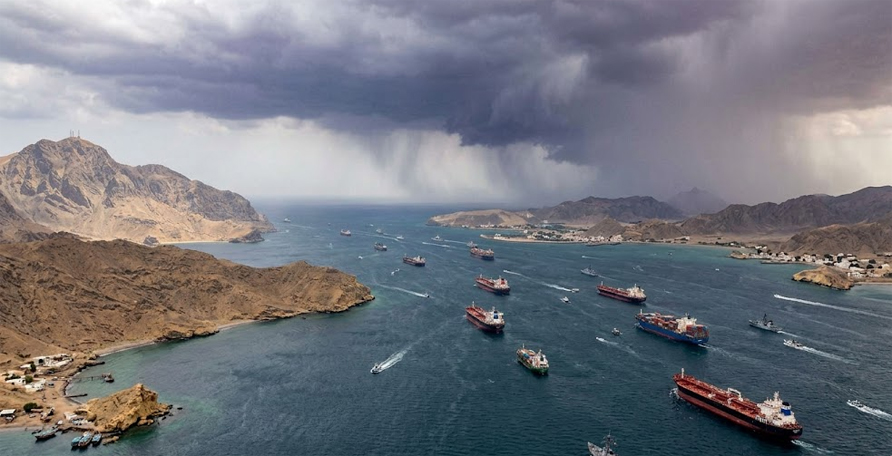
shipping
lanes
and
offer
the
administration
a
diplomatic
off-ramp
from a
conflict
that has
already
carried
serious
economic
and
security
consequences.
For
Tehran,
any
agreement
that
includes
sanctions
relief
or a
pause in
military
pressure
could
provide
badly
needed
breathing
room and
a chance
to claim
that it
forced
the
United
States
to
negotiate
on more
equal
terms. |
|
|
|
|
|
 |
 |
 |
|
|
|
|
|
|
|
|
|
|
| |
White
House
Sends
Conflicting
Messages
as Iran
War
Enters
Uncertain
Phase
Daoud
Al-Jaber
- Middle
East
Affairs
Analysis
Tell Us
Worldwide
News
Network
WASHINGTON
/
KANANASKIS
—
President
Donald
Trump is
sending
sharply
mixed
messages
about
the war
with
Iran,
shifting
between
claims
that the
fighting
is close
to
finished
and
warnings
that the
United
States
is ready
to hit
Iran
even
harder.
The
contradictions
have
become a
hallmark
of
Washington’s
approach
— a
blend of
pressure,
optimism,
and
uncertainty
that
leaves
allies
and
adversaries
trying
to read
the
signals.
In
an
interview
with CBS
News,
Trump
described
the war
as “very
complete,”
suggesting
Iran’s
military
has
taken
heavy
damage
and that
the
conflict
could
soon
wind
down.
But in
separate
remarks
to
Republican
lawmakers,
he said
the
United
States
still
needed
“ultimate
victory,”
a phrase
that
points
to a
longer
campaign
with no
clear
end in
sight.
Alongside
those
comments,
Trump
has
issued
blunt
threats.
He
warned
that if
Iran
tries to
disrupt
global
oil
shipments
or
interfere
with the
Strait
of
Hormuz,
U.S.
forces
would
respond
“much,
much
harder.”
On
social
media,
he
pushed
the
message
further,
saying
any
interference
would be
met
“TWENTY
TIMES
HARDER.”
The
contrast
— talk
of
closure
paired
with
promises
of
overwhelming
retaliation
— has
deepened
confusion
about
Washington’s
next
steps.
The
mixed
messaging
followed
Trump to
the G7
summit,
where
the
escalating
confrontation
between
Israel
and Iran
overshadowed
the
agenda.
Before
leaving
the
summit
early,
he told
reporters
that
Iran
“wants
to
talk,”
but
added
that
Tehran
“should
have
done
that
before,”
urging
negotiations
“before
it’s too
late.”
He
refused
to say
what
might
trigger
direct
U.S.
military
involvement
on
Israel’s
side,
even
after
hinting
days
earlier
that
American
participation
was
possible.
Trump’s
tone
shifted
several
times
during
the
summit.
He
hesitated
to sign
a G7
statement
calling
for
restraint
in the
Middle
East,
then
agreed
to it,
only to
later
post a
warning
that
“everyone
should
immediately
evacuate
Tehran.”
In a
meeting
with
French
President
Emmanuel
Macron,
he spoke
of
“great
things”
happening
in the
region,
pointing
to
falling
oil
prices
and a
rising
stock
market,
and
praised
an “Iran
deal
that we
made,”
saying
it would
reopen
the
Strait
of
Hormuz
and
stabilize
Lebanon.
Taken
together,
the
administration’s
messaging
— from
“very
complete”
to
“ultimate
victory”
to
“TWENTY
TIMES
HARDER”
— has
left
diplomats,
markets,
and
Iranian
officials
trying
to
interpret
Washington’s
intentions.
Analysts
say the
ambiguity
may be
intentional,
giving
the
White
House
room to
either
ease off
or
escalate.
But in a
region
where
missteps
can
quickly
widen a
conflict,
the lack
of
clarity
carries
its own
risks.
|
|
|
|
|
|
|
|
|

 I
HI TECH NEWS
I
SPORTS
I
I
HI TECH NEWS
I
SPORTS
I