|
The
downing
of the
US jets
over
Kuwait
has
fueled
fears
that
miscalculation
or
misidentification
could
drag
additional
countries
more
deeply
into the
war. |
|
|
|
|
|
 |
 |
 |
|
|
|
|
|
|
|
|
|
|
| |
Three
American
F-15s
Downed
Over
Kuwait
as
US–Iran
War
Ignites
Regional
Firestorm
Walter
Kincaid
-
International/Politics
Tell Us
Worldwide
News
Network
KUWAIT
CITY -
Three US
Air
Force
F‑15E
Strike
Eagle
fighter
jets
were
downed
over
Kuwait
early
Monday
as the
rapidly
escalating
war
between
the
United
States
and Iran
sent
shockwaves
across
the Gulf
and put
American
allies
on high
alert.
The
aircraft
were
flying
in
support
of
ongoing
US
operations
against
Iran
when
they
went
down in
Kuwaiti
airspace,
US
Central
Command
confirmed,
saying
all crew
members
survived
after
ejecting
and were
recovered.
Kuwait’s
Defense
Ministry
said a
“number
of US
military
aircraft”
crashed
during
intense
military
activity
over the
country,
with
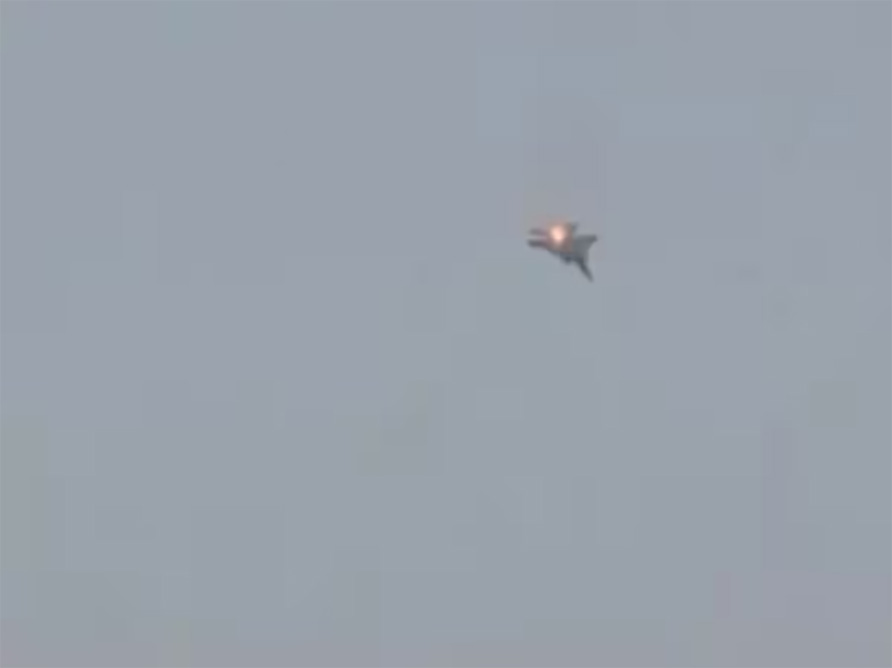
videos
circulating
on
social
media
showing
at least
one
twin‑engine
jet
spiraling
toward
the
ground
near the
Ali Al
Salem
air base
and a
pilot
descending
by
parachute.
Local
officials
reported
debris
from one
crash
striking
facilities
near the
vital
Mina Al
Ahmadi
refinery
south of
Kuwait
City,
injuring
refinery
workers
and
triggering
emergency
shutdown
procedures.
US
military
officials
are
investigating
whether
the
downings
were
caused
by
Iranian
action,
technical
failure,
or
friendly
fire
from
Kuwaiti
air
defenses,
after
early
assessments
suggested
at least
some of
the jets
may have
been
mistakenly
engaged
by
allied
batteries
amid a
flurry
of
incoming
threats.
German
outlet
DW,
citing
US
Central
Command,
reported
that
Kuwaiti
air
defenses
“mistakenly
shot
down”
multiple
F‑15s
after
misidentifying
them as
hostile
targets,
underscoring
the
risks of
high‑tempo
air
operations
in
crowded
Gulf
airspace.
The loss
of the
jets
came as
Iran
expanded
its
retaliation
for US
and
Israeli
airstrikes
on its
territory,
which
included
the
killing
of
Supreme
Leader
Ayatollah
Ali
Khamenei
and
strikes
on
Iran’s
nuclear
and
missile
infrastructure.
Explosions
rattled
several
Gulf
capitals
overnight,
including
Dubai
and Abu
Dhabi in
the
United
Arab
Emirates,
Doha in
Qatar,
Manama
in
Bahrain,
and
Kuwait
City, as
Iranian
missiles
and
drones
targeted
what
Tehran
described
as
American
and
Israeli
military
and
logistical
sites.
Authorities
in
Bahrain
confirmed
that
Iranian
strikes
caused
at least
one
death
and
several
injuries,
the
first
reported
fatality
there
since
Tehran’s
regional
campaign
began,
while
damage
was
reported
to
civilian
infrastructure
including
airports,
seaports,
hotels,
and
residential
areas
across
multiple
states.
Regional
air-defense
networks
in
Jordan
and
Saudi
Arabia
also
reported
intercepting
incoming
Iranian
projectiles
aimed at
US and
allied
facilities,
highlighting
the
widening
arc of
the
conflict.
The
Pentagon
has
described
the
fighting
as part
of a
sustained
air and
naval
campaign
aimed at
dismantling
Iran’s
missile
arsenal
and
degrading
its
ability
to
project
power
through
the
region.
President
Donald
Trump
said US
forces
have
struck
“hundreds
of
targets”
inside
Iran,
including
Revolutionary
Guard
facilities,
naval
assets,
and air
defenses,
and
warned
that
operations
could
continue
for
weeks as
Washington
seeks to
prevent
Tehran
from
rebuilding
its
capabilities.
In
response,
Iran has
launched
waves of
ballistic
missiles
and
drones
at
Israel
and
US-linked
sites,
with
Hezbollah
trading
fire
with
Israeli
forces
along
the
Lebanon–Israel
frontier
and
sirens
sounding
across
Israeli
cities.
Analysts
say
Iran’s
decision
to
strike
US-linked
targets
in
Qatar,
Kuwait,
Bahrain,
and the
UAE
reflects
a
deliberate
strategy
to widen
the
conflict
and
impose
costs on
Washington’s
partners
rather
than
confining
the
confrontation
to Iran
and
Israel
alone.
The
downing
of the
US jets
over
Kuwait
has
fueled
fears
that
miscalculation
or
misidentification
could
drag
additional
countries
more
deeply
into the
war.
Military
experts
warn
that
with
American,
Iranian,
Israeli,
and
allied
aircraft
and
missiles
sharing
crowded
skies
over the
Gulf,
the risk
of
further
friendly-fire
incidents
or
accidental
escalations
will
remain
high as
long as
the air
campaign
continues.
Diplomatic
efforts
to
contain
the
crisis
have so
far
yielded
little
public
progress,
even as
European
and
regional
governments
call for
immediate
de-escalation
and
humanitarian
corridors.
With oil
facilities,
airports,
and
dense
urban
centers
now
within
range of
opposing
missiles,
officials
across
the
Middle
East are
bracing
for
additional
strikes
and a
prolonged
conflict
whose
front
lines
increasingly
stretch
far
beyond
Iran’s
borders.
|
|
|
|
|
|
|
|
|

 I
HI TECH NEWS
I
SPORTS
I
I
HI TECH NEWS
I
SPORTS
I