|
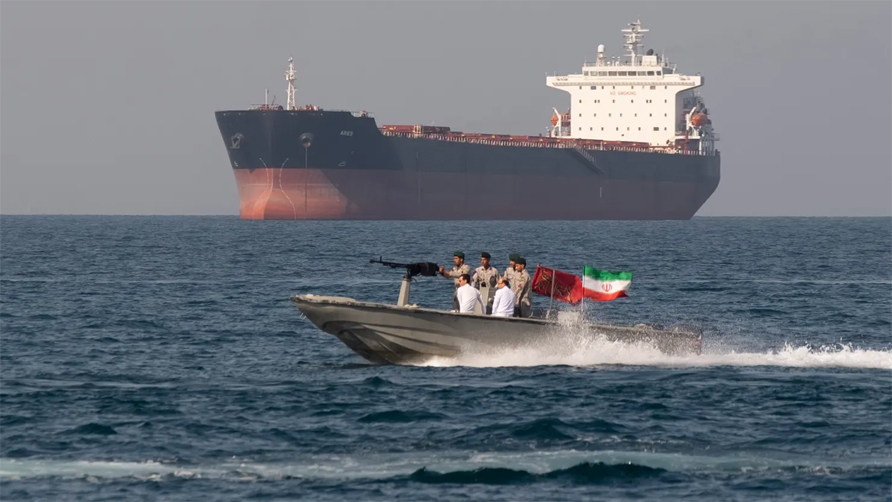
FILE -
Iranian
Navy
soldiers
at an
armed
speed
boat in
Persian
Gulf
near the
strait
of
Hormuz
about
1320km
(820
miles)
south of
Tehran,
April
30,
2019.
Morteza
Nikoubazl
|
Nurphoto
| Getty
Images |
|
|
|
|
|
 |
 |
 |
|
|
|
|
|
|
|
|
|
|
| |
Iran
Reopens
Hormuz
After
Near-Disruption
to
Global
Supply,
Key Oil
Chokepoint
Crisis
Ease
Daoud
Al-Jaber
- Middle
East
Affairs
Analysis
Tell Us
Worldwide
News
Network
TEHRAN -
Iran
said
Friday
it has
reopened
the
Strait
of
Hormuz
to
commercial
shipping
after
days of
heightened
tensions
and
disruptions
that
rattled
global
energy
markets
and
raised
fears of
a
broader
regional
conflict.
The
announcement
from
Iranian
state
media
came
after
what
officials
described
as
“security
stabilization
measures”
in the
strategic
waterway,
through
which
roughly
one-fifth
of the
world’s
oil
supply
passes.
Tehran
had not
formally
declared
a
closure
but had
warned
vessels
away
amid
military
maneuvers
and
escalating
confrontations
with
U.S. and
allied
forces
earlier
this
week.
Shipping
companies
and
maritime
security
firms
began
cautiously
resuming
transit
through
the
narrow
strait,
though
some
operators
said
they
would
continue
to
reroute
vessels
until
conditions
are
fully
assessed.
Oil
prices,
which
surged
during
the
disruption,
eased
slightly
in early
trading
following
the
reopening.
U.S.
officials
welcomed
the
development
but said
naval
forces
in the
region
would
remain
on high
alert.
“Freedom
of
navigation
is a
core
international
principle,”
a
Pentagon
spokesperson
said,
adding
that
Washington
would
continue
to
monitor
Iranian
activity
closely.
Analysts
say the
episode
underscores
the
fragility
of one
of the
world’s
most
critical
chokepoints.
Even
temporary
disruptions
can have
outsized
effects
on
global
supply
chains,
energy
prices
and
insurance
costs
for
shippers.
Regional
tensions
remain
elevated,
with no
indication
that
underlying
disputes
between
Iran and
Western
powers
have
been
resolved.
Diplomats
have
renewed
calls
for
de-escalation,
warning
that
further
incidents
in the
strait
could
trigger
wider
economic
and
security
consequences
|
|
|
|
|
|
|
|
|

 I
HI TECH NEWS
I
SPORTS
I
I
HI TECH NEWS
I
SPORTS
I