|
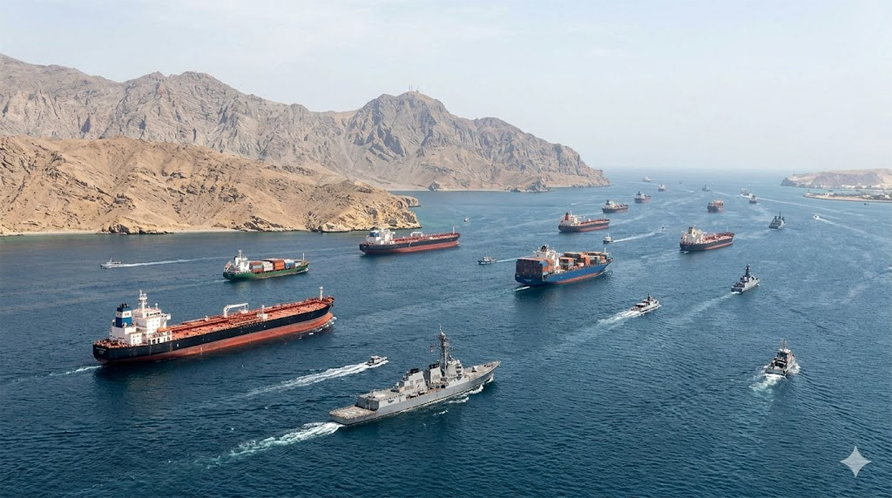
China is
urging
an
immediate
end to
hostilities
and a
rapid
restoration
of
shipping
through
Hormuz,
reflecting
its
concern
over
regional
stability
and
global
energy
flows.
|
|
|
|
|
|
 |
 |
 |
|
|
|
|
|
|
|
|
|
|
| |
From
Threats
to
Talks:
U.S.,
Iran
Near
Framework
as China
Intervenes
Daoud
Al-Jaber
- Middle
East
Affairs
Analysis
Tell Us
Worldwide
News
Network
WASHINGTON/TEHRAN/BEIJING
- The
U.S.-Iran
war
remains
in a
tense,
fluid
phase as
President
Donald
Trump
says he
is
weighing
a
possible
deal
with
Tehran,
Iran
says it
is
reviewing
Washington’s
latest
proposal,
and
China is
pressing
both
sides
toward
de-escalation
and a
reopening
of the
Strait
of
Hormuz.
Beijing’s
role is
emerging
as a
diplomatic
pressure
point
ahead of
Trump’s
planned
summit
with
Chinese
President
Xi
Jinping
later
this
month.
Trump
has
alternated
between
hard-line
threats
and
signs of
openness
to a
settlement.
He said
he was
reviewing
a new
Iranian
proposal
and
recently
described
a “very
good
chance”
of a
deal,
while
also
warning
that
failure
to agree
could
bring a
return
to “old
ways”.
In
earlier
remarks,
Trump
also
said the
hostilities
with
Iran had
“terminated,”
even as
U.S.
forces
remained
active
in the
region.
Iranian
officials
are
publicly
framing
the
talks as
ongoing
but
unresolved.
Reports
say
Tehran
is
evaluating
a fresh
U.S.
proposal
that
could
involve
phased
steps on
the
Strait
of
Hormuz
and
future
nuclear
talks,
though
no final
agreement
has been
reached.
Iranian
Foreign
Minister
Abbas
Araghchi
has also
sought
to keep
China
engaged,
signaling
that
Tehran
wants
Beijing’s
support
both
politically
and at
the
United
Nations.
China is
urging
an
immediate
end to
hostilities
and a
rapid
restoration
of
shipping
through
Hormuz,
reflecting
its
concern
over
regional
stability
and
global
energy
flows.
Chinese
Foreign
Minister
Wang Yi
pressed
Araghchi
for
diplomacy
and told
him to
avoid
any
return
to
violence,
while
Beijing
is also
trying
to
preserve
leverage
with
Washington
ahead of
Trump’s
meeting
with Xi.
Analysts
say
China
may help
shape
the
talks,
but its
influence
will
likely
depend
on what
it can
get in
return
from
both
sides.
The
ceasefire
remains
fragile,
with
continued
tension
around
the
Strait
of
Hormuz
and U.S.
naval
activity
in the
Gulf.
Recent
reporting
says
Washington
briefly
paused
an
escort
initiative
for
shipping,
and Iran
has
warned
the U.S.
not to
interfere
in the
strait.
The core
dispute
remains
the
same:
the U.S.
wants
restraints
on
Iran’s
nuclear
program
and
regional
behavior,
while
Tehran
is
resisting
pressure
and
seeking
relief
from
blockade
and
military
threats.
For now,
the
conflict
appears
to be
moving
in two
directions
at once:
escalation
risk
remains
high,
but
back-channel
diplomacy
is
active
and may
be
edging
toward a
framework
deal.
China is
not
acting
as a
neutral
bystander
so much
as a
power
trying
to
protect
its
energy
interests
while
positioning
itself
as a
necessary
intermediary.
The next
few days
should
show
whether
the
talks
produce
a real
breakthrough
or just
another
temporary
pause.
|
|
|
|
|
|
|
|
|

 I
HI TECH NEWS
I
SPORTS
I
I
HI TECH NEWS
I
SPORTS
I