|
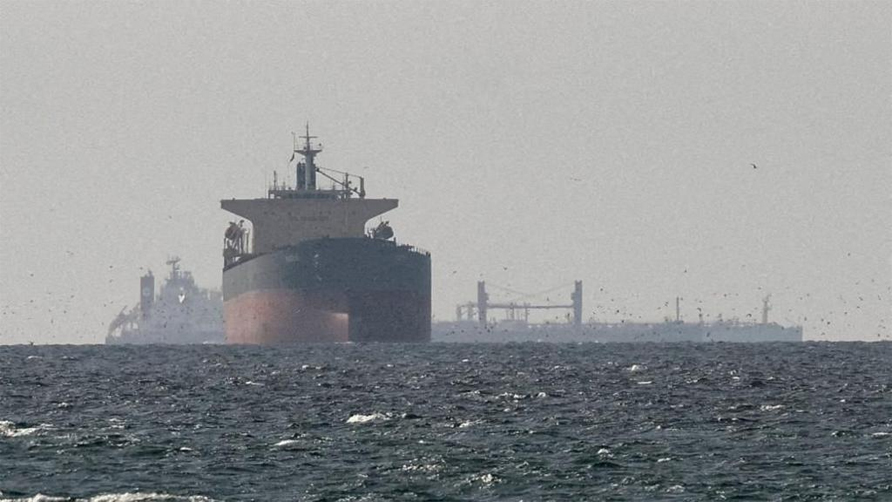
At least
four
Iran-linked
ships,
including
two that
visited
Iranian
ports,
crossed
the
Strait
of
Hormuz
on
Tuesday
following
the
start of
a
blockade
by the
US.
China's
foreign
ministry
has
condemned
the
American
blockade
of
Iranian
ports as
"dangerous
and
irresponsible"
- a
spokesman
warns
the
blockade
will
only
"exacerbate
tensions" |
|
|
|
|
|
 |
 |
 |
|
|
|
|
|
|
|
|
|
|
| |
China
condemns
U.S.
blockade
of
Strait
of
Hormuz,
warns of
global
energy
fallout
Li Haung
-
National/International-Politics
Tell Us
Worldwide
News
Network
BEIJING
— China
is
drawing
a firm
line
against
the
blocking
of the
Strait
of
Hormuz,
warning
that the
move
threatens
global
energy
security
and runs
directly
against
its own
strategic
interests.
Beijing
has
publicly
urged
all
parties
to show
restraint
and
de‑escalate,
arguing
that
closing
the
vital
waterway
empowers
no one
while
risking
shortages,
price
spikes,
and
wider
instability
in the
Middle
East.
China’s
objection
is both
economic
and
geopolitical.
Roughly
one‑fifth
of the
world’s
oil
flows
through
the
strait,
and a
large
share of
Iran’s
crude
exports—historically
discounted
and
politically
significant—has
been
bound
for
Chinese
refineries.
With
Hormuz
effectively
blocked,
China
faces
the
prospect
of
disrupted
supply,
strained
logistics,
and a
potential
shock to
its
industrial
and
transportation
sectors,
which
rely
heavily
on
stable,
affordable
crude.
Beijing
has
therefore
framed
the
blockade
as an
act that
hurts
not just
the
United
States
and
Iran,
but the
entire
global
economy,
and it
has used
that
argument
to call
for an
immediate
return
to
negotiations.
Behind
the
scenes,
China is
working
to lock
in
alternative
supply
routes
and
secure
guarantees
for its
oil
flows.
Reports
indicate
that
Beijing
has been
in talks
with
Iran to
protect
safe
passage
for
tankers
carrying
Chinese‑linked
oil and
liquefied
natural
gas
through
or
around
the
strait,
even as
U.S.
forces
tighten
their
grip on
the
area.
Iran’s
Jask
terminal
on the
Gulf of
Oman,
which
can
bypass
Hormuz
entirely,
has
become a
key
pressure
point;
Chinese
officials
are
encouraging
its use
to keep
crude
moving,
though
the
route is
slower
and less
efficient
than the
main
maritime
lane.
China
also has
a buffer
in the
form of
substantial
strategic
oil
reserves
and
diversified
import
sources.
In
recent
years,
Beijing
has
imported
crude
from
Russia,
Central
Asia,
and
other
non‑Gulf
partners,
giving
it some
room to
adjust
if the
blockade
persists.
Analysts
say
those
reserves
could
help
China
avoid a
full‑scale
crisis
for
months,
but they
would
not
eliminate
the
economic
and
political
cost of
a
prolonged
disruption.
Crucially,
Beijing’s
public
stance
is that
it is
not
seeking
to
challenge
the
United
States
militarily
or
trigger
a naval
showdown.
Instead,
it is
positioning
itself
as a
neutral
advocate
for
stability,
stressing
the
importance
of
international
law,
freedom
of
navigation,
and
peaceful
conflict
resolution.
Chinese
officials
have
warned
that
turning
the
strait
into a
battleground
could
draw in
other
powers,
fuel
regional
arms
competition,
and
undermine
China’s
broader
economic
and
security
interests.
In
practical
terms,
China’s
goals
are
clear:
keep the
Strait
of
Hormuz
open to
commercial
traffic,
prevent
any
permanent
closure,
and
ensure
that its
oil
shipments
continue
to move
without
being
held
hostage
to
U.S.–Iran
tensions.
Beijing
wants
the
crisis
managed
through
diplomacy
and
international
institutions,
not
through
unilateral
military
measures
that
could
set a
dangerous
precedent
for
global
trade
routes.
|
|
|
|
|
|
|
|
|

 I
HI TECH NEWS
I
SPORTS
I
I
HI TECH NEWS
I
SPORTS
I