|
|
|
|
|
|
|
|
|
|
| |
35
Nations
Convene
Without
U.S. to
Chart
Path for
Reopening
Strait
of
Hormuz
Britain
hosts
landmark
diplomatic
summit
as
global
energy
crisis
deepens
An
Editorial
Analysis
Tell Us
Worldwide
News
Network
LONDON -
Nearly
three
dozen
countries
gathered
Thursday
in an
effort
to exert
diplomatic
and
political
pressure
to
reopen
the
Strait
of
Hormuz,
a vital
shipping
route
that has
been
choked
off by
the
U.S.-Israeli
war
against
Iran.
British
Foreign
Secretary
Yvette
Cooper
hosted
the
discussions,
with the
meeting
set to
assess
all
viable
diplomatic
and
political
measures
to
restore
freedom
of
navigation,
guarantee
the
safety
of
trapped
ships
and
seafarers,
and
resume
the
movement
of vital
commodities,
according
to Prime
Minister
Keir
Starmer.
France,
Germany,
the
Netherlands,
Italy,
Japan,
Australia,
South
Korea,
Canada,
and the
UAE are
among
the
countries
attending
the
talks.
The
United
States
was not
part of
the
diplomatic
gathering.
A Crisis
Weeks in
the
Making
On
February
28,
2026,
U.S. and
Israeli
forces
launched
nearly
900
strikes
in 12
hours
targeting
Iranian
missiles,
air
defenses,
military
infrastructure,
and
leadership.
The
initial
wave of
strikes
killed
Supreme
Leader
Ali
Khamenei
and
dozens
of other
officials.
In
response,
Iran
launched
retaliatory
missile
and
drone
attacks
on U.S.
military
bases,
Israeli
territory,
and Gulf
states,
while
its
Islamic
Revolutionary
Guard
Corps
issued
warnings
prohibiting
vessel
passage
through
the
strait,
leading
to an
effective
halt in
shipping
traffic.
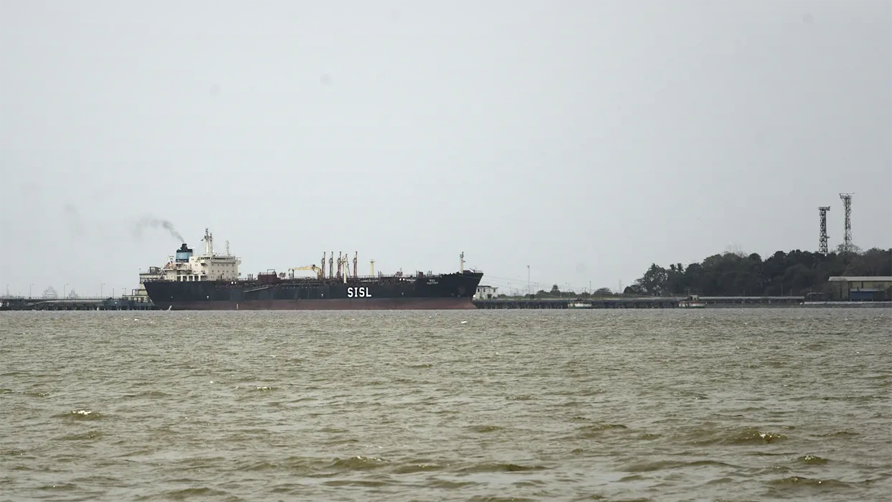
The
near-total
Iranian
blockade
on the
strait,
where
vessels
transport
about
one
fifth of
global
oil and
natural
gas
supplies,
has
further
pushed
up oil
prices
and
prompted
consternation
among
world
leaders
who
refuse
to get
directly
involved
in the
military
campaign.
Starmer:
"This
Will Not
Be Easy"
Speaking
candidly
ahead of
the
summit,
Starmer
acknowledged
that
reopening
the
strait
would
not be
easy. A
British
official
said it
was
expected
that any
first
phase
would
focus on
mine-hunting,
followed
by a
second
phase to
protect
tankers
crossing
the
area.
Starmer
emphasized
that the
effort
was
envisioned
as a
post-conflict
stabilization
mission,
not
direct
military
engagement
in the
war
itself.
The UK
leader
stressed
Britain
would
not be
drawn
into the
wider
war, but
said it
was
discussing
with
allies
in
Europe
and the
Gulf the
possibility
of using
mine-hunting
drones
already
in the
region.
Trump
Stands
Apart —
and
Takes
Aim at
Allies
Washington's
absence
from the
talks
was
notable.
On
Tuesday,
Trump
wrote on
his
Truth
Social
platform
that
countries
struggling
with
fuel
shortages
because
of the
Strait
of
Hormuz
should
either
buy from
the U.S.
or build
up some
delayed
courage,
go to
the
Strait,
and just
take it.
In his
address
to the
nation
on
Wednesday
evening,
Trump
downplayed
the U.S.
reliance
on the
Strait
of
Hormuz
and the
global
impact
of its
effective
closure.
The
price of
oil
climbed
higher
in the
minutes
following
his
speech,
with
brent
crude
spiking
by more
than 4%
to over
$105 per
barrel
after
Trump
vowed to
continue
the
conflict
for
another
few
weeks.
In early
trading
on
Thursday,
brent
crude
rose
6.6% to
near
$108 a
barrel.
Humanitarian
Alarm
Grows
The
International
Rescue
Committee
warned
that the
continued
closure
of the
Strait
of
Hormuz
has
created
a
ticking
food
security
timebomb
that
could
cause a
sharp
rise in
world
hunger
by June,
with the
current
crisis
set to
surpass
the
global
food
shock
triggered
by
Russia's
war in
Ukraine
in 2022.
China,
meanwhile,
placed
blame
squarely
on the
war's
architects.
China's
Ministry
of
Foreign
Affairs
stated
that the
root
cause of
the
obstruction
of
navigation
in the
Strait
of
Hormuz
is the
illegal
military
action
by the
United
States
and
Israel
against
Iran,
urging
stakeholders
to work
together
to
de-escalate.
What
Comes
Next
Starmer
said
that
following
the
diplomatic
meeting,
military
planners
would
also be
convened
to look
at how
to
marshal
capabilities
and make
the
strait
accessible
and safe
after
the
fighting
has
stopped.
Iran had
separately
agreed
to allow
ships
owned by
five
nations
— China,
Russia,
India,
Iraq,
and
Pakistan
— to
transit
the
strait,
and also
agreed
to a UN
request
to allow
humanitarian
and
fertilizer
shipments
through.
However,
a
broader
reopening
remains
elusive,
with
Starmer
warning
that the
consequences
of the
Iran war
would
last for
a
generation.
This is
a
developing
story.
Updates
will
follow
as the
summit
concludes.
|
|
|
|
|
|
|
|
|




 I
HI TECH NEWS
I
SPORTS
I
I
HI TECH NEWS
I
SPORTS
I