|
|
|
|
|
|
|
|
|
|
| |
US-Iran
Standoff
Teeters
on
Knife’s
Edge
Over
Hormuz
Chokepoint
Daoud
Al-Jaber
- Middle
East
Affairs
Analysis
Tell Us
Worldwide
News
Network
WASHINGTON
- The
United
States
and Iran
are
locked
in a
high-stakes
maritime
showdown
in the
Strait
of
Hormuz,
where a
fragile
ceasefire
hangs by
a thread
amid
ship
seizures,
naval
brinkmanship,
and vows
of
retaliation
that
could
ignite a
wider
regional
conflagration.
What
began as
stalled
peace
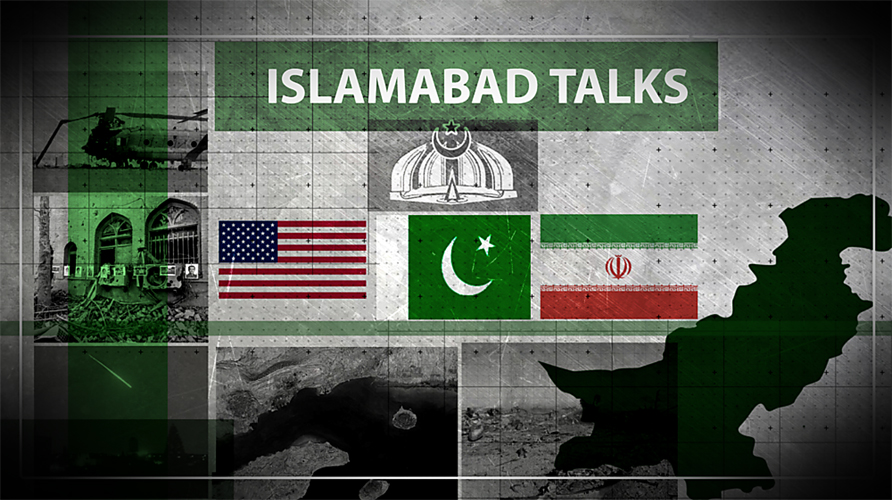
talks in
Pakistan
has
spiraled
into a
de facto
U.S.
blockade
of
Iranian
waters,
with
American
forces
seizing
a
Tehran-linked
cargo
vessel
last
weekend
and
triggering
a
near-halt
in
shipping
through
the
world’s
most
vital
oil
artery.
Tehran’s
response—firing
on
vessels
and
threatening
asymmetric
reprisals—signals
a
calculated
escalation
from the
IRGC’s
playbook,
designed
to bleed
U.S.
resolve
without
triggering
all-out
war.
President
Trump,
projecting
steely
calm,
insists
he faces
“no
pressure”
to
compromise,
even as
he
dangles
the
carrot
of
renewed
diplomacy
while
brandishing
the
stick of
infrastructure
strikes.
Iran’s
hardliners,
cornered
but
defiant,
dismiss
negotiations
“under
the
gun,”
betting
that
Hormuz
disruptions
will
rally
global
sympathy
and
spike
oil
prices
to their
advantage.
Iran,
meanwhile,
has
pushed
back
hard,
with
senior
officials
rejecting
negotiations
“under
the
shadow
of
threats”
and
accusing
Washington
of
piracy
and
coercion.
Reporting
from
multiple
outlets
says
Tehran
has not
confirmed
whether
it will
send a
delegation
to the
next
round of
talks in
Pakistan,
leaving
diplomacy
in limbo
as the
ceasefire
deadline
approaches.
Make no
mistake:
this is
terror-adjacent
shadow
warfare
at its
most
perilous.
A single
misfired
missile
or proxy
drone
swarm
could
shatter
the
truce,
thrusting
the Gulf
into
chaos
with oil
at $150
a barrel
and
proxy
militias
from
Yemen to
Lebanon
off the
leash.
With
talks
stalled
and
deadlines
looming,
the
strait
isn’t
just a
chokepoint—it’s
a powder
keg.
|
|
|
|
|
|
|
|
|




 I
HI TECH NEWS
I
SPORTS
I
I
HI TECH NEWS
I
SPORTS
I