|
President
Donald
Trump is
expected
to
abandon
plans
for a
$1.8
billion
anti-weaponization
fund set
up to
compensate
people
who
claimed
they
were
unfairly
targeted
by the
government,
after
intense
criticism
from
both
parties
and a
federal
judge's
block on
the
program. |
|
|
|
|
|
 |
 |
 |
|
|
|
|
|
|
|
|
|
|
| |
Trump to
Pause
$1.8
Billion
Anti-Weaponization
Fund
After
Backlash
and
Court
Block
Marc
Kennedy
-
National-Politics
Tell Us
USA News
Network
WASHINGTON
-
President
Donald
Trump is
expected
to pause
plans
for a
$1.8
billion
anti-weaponization
fund set
up to
compensate
people
who
claimed
they
were
unfairly
targeted
by the
government,
after
intense
criticism
from
both
parties
and a
federal
judge's
block on
the
program.
The fund
was
created
as part
of a
settlement
tied to
Trump's
$10
billion
lawsuit
against
the IRS,
which he
voluntarily
dropped
in
exchange
for the
Justice
Department's
agreement
to
establish
the
program.
In
January
2026,
Trump,
his sons
Donald
Jr. and
Eric,
and The
Trump
Organization
filed a
$10
billion
lawsuit
against
the IRS
and
Treasury
Department
over the
leak of
their
tax
returns.
The
case,
Trump v.
Internal
Revenue
Service,
was
filed on
January
29,
2026, in
the U.S.
District
Court
for the
Southern
District
of
Florida.
The suit
alleged
that the
IRS and
Treasury
willfully
failed
to
protect
their
tax
information
from
unauthorized
disclosure
by
former
IRS
contractor
Charles
E.
Littlejohn,
who was
later
sentenced
to five
years in
prison
for
leaking
tax data
to The
New York
Times
and
ProPublica.
Trump's
legal
team
argued
that
each
view of
a news
article
containing
the
leaked
data
constituted
a
separate
$1,000
statutory
violation
under 26
U.S.C. §
7431,
which
covers
unauthorized
disclosure
of tax
returns,
calculating
total
damages
at at
least
$10
billion.
In
addition
to the
IRS
lawsuit,
Trump
filed
two
separate
claims
under
the
Federal
Tort
Claims
Act over
the
August
2022 FBI
raid on
Mar-a-Lago
and the
Russia
collusion
investigation
during
his
first
term.
On May
18,
2026,
Trump's
lawyers
filed a
notice
of
voluntary
dismissal
with
prejudice,
permanently
ending
the
lawsuit
and
conceding
he would
not
bring a
similar
suit in
the
future.
The same
day,
Acting
Attorney
General
Todd
Blanche
ordered
the
Treasury
to
transfer
$1.776
billion
to a
newly
created
Anti-Weaponization
Fund.
The
Justice
Department
stated
that
Trump
and his
co-plaintiffs
would
receive
no
direct
financial
compensation.
Instead,
the fund
would
compensate
other
individuals
alleging
harm
from
government
weaponization
and
lawfare.
The
settlement
also
included
an
addendum
that
broadly
waives
IRS
audits
and
investigations
into
Trump's,
his
family's,
and his
businesses'
tax
filings
before
May 19,
2026,
blocking
past and
existing
audits
but not
future
ones.
Critics,
including
House
Democrats
and tax
policy
advocates,
called
the
arrangement
a sham
$10
billion
lawsuit
and a
self-dealing,
taxpayer-funded
slush
fund for
Trump
allies,
including
potentially
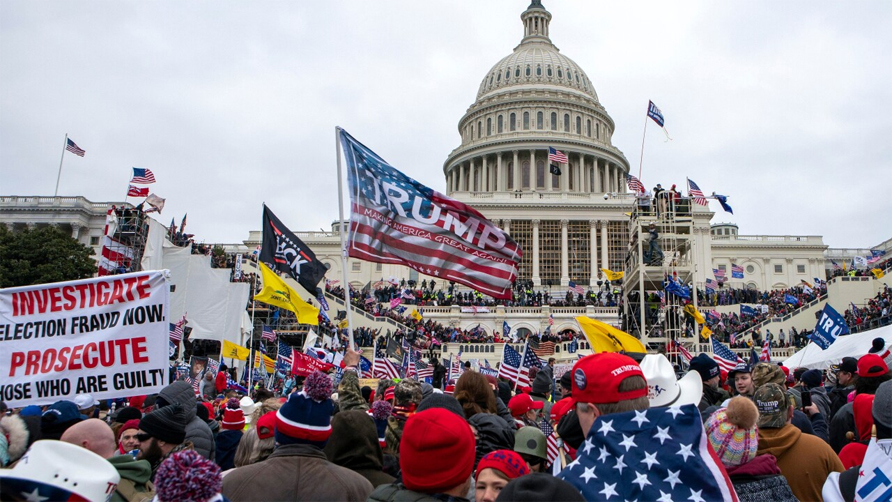
Jan. 6
defendants.
After
fierce
bipartisan
backlash,
a senior
administration
official
told
Axios
the plan
was dead
for now.
A
federal
judge
temporarily
blocked
the
program
while
litigation
continues.
Critics
argued
the fund
blurred
the line
between
legitimate
claims
of
government
abuse
and
political
favoritism
for
Trump
allies.
There
were
widespread
concerns
that
people
convicted
in
connection
with
Jan. 6
could
benefit
from the
fund.
The
settlement
also
granted
Trump a
broad
waiver
of IRS
audits,
raising
concerns
about
shielding
him from
tax
investigations.
|
|
|
|
|
|
|
|
|

 I
HI TECH NEWS
I
SPORTS
I
I
HI TECH NEWS
I
SPORTS
I