|
With the
SAVE
America
Act
failing
in the
Senate,
attention
now
shifts
to
whether
Republicans
attempt
to
revive
pieces
of the
bill
through
standalone
measures,
appropriations
riders
or a
future
reconciliation
fight. |
|
|
|
|
|
 |
 |
 |
|
|
|
|
|
|
|
|
|
|
| |
SAVE
America
Act
Fails
Final
Passage:
Democrats,
GOP
Defectors
Prevail
Li Haung
-
National-Politics
Tell Us
USA News
Network
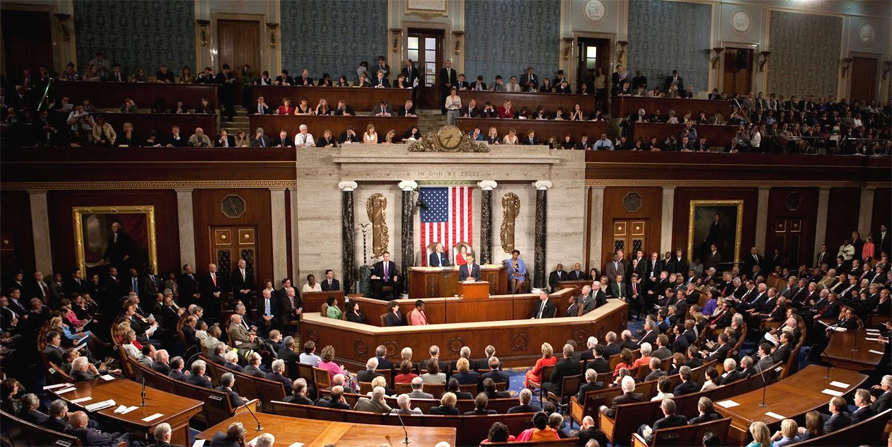
WASHINGTON
- The
Senate
narrowly
rejected
the SAVE
America
Act on
Tuesday,
dealing
a major
setback
to
President
Donald
Trump’s
push to
impose
strict
new
voter
documentation
rules
before
the 2026
midterms.
Senators
voted
down
final
passage
of the
SAVE
America
Act late
Tuesday
after
days of
contentious
floor
debate,
with all
Democrats
opposed
and a
small
number
of
Republicans
breaking
ranks,
according
to
chamber
tallies
and
leadership
statements.
The
outcome
halts,
at least
for now,
nationwide
changes
that
would
have
required
voters
to show
both
documentary
proof of
citizenship
to
register
and a
government
photo ID
to cast
a
ballot.
The
Senate
had
earlier
voted
51–48 to
open
debate
on the
bill,
with
Sen.
Lisa
Murkowski
of
Alaska
as the
lone
Republican
joining
Democrats
in
opposition
and Sen.
Thom
Tillis
of North
Carolina
not
voting.
On final
passage
Tuesday,
Democrats
remained
unified
against
the
measure,
while at
least
one
Republican
again
sided
with
them,
denying
backers
the
simple
majority
needed
to send
the bill
to
Trump’s
desk.
The
Safeguard
American
Voter
Eligibility,
or SAVE
America
Act,
would
have
required
anyone
registering
or
updating
their
registration
to
present
proof of
citizenship
in
person,
typically
a
passport
or birth
certificate,
while
explicitly
rejecting
standard
driver’s
licenses,
including
REAL
IDs, as
sufficient.
The bill
also
would
have
layered
strict
voter ID
rules on
in-person
voting
and
expanded
federal
checks
of voter
rolls
using
data
from
agencies
such as
the
Department
of
Homeland
Security
and the
Social
Security
Administration.
Trump
and
Republican
leaders
framed
the bill
as an
election-integrity
measure
they
argued
was
needed
to
prevent
noncitizen
voting
and
secure
the 2026
contests,
even as
existing
law
already
bars
noncitizens
from
casting
ballots
in
federal
elections.
Voting-rights
groups,
Democratic
senators
and
legal
experts
blasted
the
proposal
as a
sweeping
anti-voter
package
that
could
block or
deter
tens of
millions
of
eligible
citizens,
especially
voters
of
color,
low-income
and
rural
voters,
and
people
with
disabilities.
With the
SAVE
America
Act
failing
in the
Senate,
attention
now
shifts
to
whether
Republicans
attempt
to
revive
pieces
of the
bill
through
standalone
measures,
appropriations
riders
or a
future
reconciliation
fight.
Advocacy
groups
on both
sides
say they
will use
the vote
as a
litmus
test
heading
into the
2026
midterms,
vowing
to hold
senators
accountable
for
where
they
stood on
the
issue of
tightening
or
protecting
access
to the
ballot.
|
|
|
|
|
|
|
|
|

 I
HI TECH NEWS
I
SPORTS
I
I
HI TECH NEWS
I
SPORTS
I