|
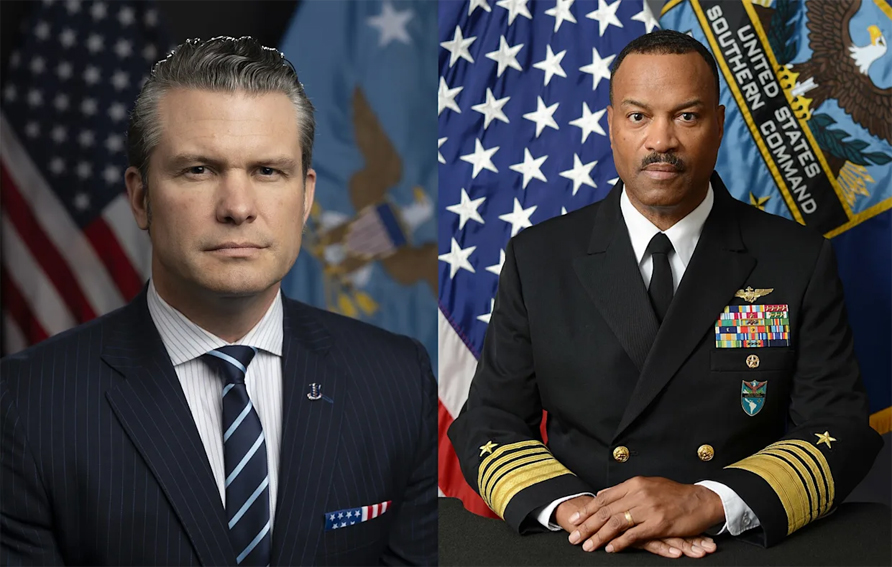
Secretary
of
Defense
Pete
Hegseth
asked
U.S.
Navy
Admiral
Alvin
Holsey
to
retire
in
October
after
Holsey
expressed
concerns
about
the
legality
of the
Trump
administration’s
boat
bombings
in the
Caribbean,
according
to a new
report.
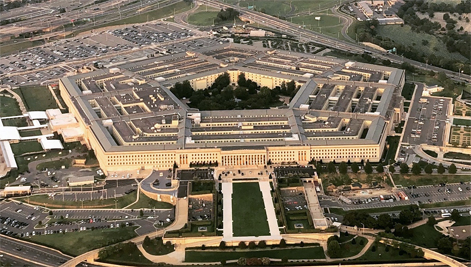
(Pentagon
photos) |
|
|
|
|
|
 |
 |
 |
|
|
|
|
|
|
 |
|
|
|
| |
Admiral
Forced
Out
After
Questioning
Legality
of Trump
Drug-Boat
Strikes
Marc
Kennedy
-
National-Politics
Tell Us
USA News
Network
WASHINGTON
-
Defense
Secretary
Pete
Hegseth
forced
the
early
departure
of Adm.
Alvin
Holsey,
the
four-star
Navy
officer
overseeing
U.S.
military
operations
in the
Caribbean
and
Latin
America,
after
Holsey
raised
concerns
about
the
legality
of
lethal
strikes
on
suspected
drug-trafficking
boats.
Background
on
Admiral
Holsey
Adm.
Alvin
Holsey,
60, is a
career
Navy
officer
and
helicopter
pilot
who took
command
of U.S.
Southern
Command
(SOUTHCOM)
roughly
a year
ago.
SOUTHCOM
oversees
U.S.
military
operations
in Latin
America
and the
Caribbean,
including
the
maritime
mission
that
targeted
alleged
Venezuelan
drug-running
vessels.
Holsey’s
tenure
was
expected
to last
several
years,
in line
with
typical
combatant-commander
tours.
Instead,
his exit
was
announced
by
Hegseth
on
October
16,
stunning
lawmakers
and
defense
analysts
who
described
the move
as
highly
unusual
in the
middle
of an
expanding
campaign.
Discord
Over
Drug-Boat
Strikes
Reporting
indicates
that
Holsey’s
relationship
with
Hegseth
deteriorated
over
months
of
discord,
culminating
in the
Trump
administration’s
decision
to
escalate
bombing
of
alleged
drug
boats in
the
Caribbean.
Holsey
reportedly
questioned
the
murky
legal
basis
for
targeting
and
killing
suspected
traffickers
at sea,
including
follow-on
strikes
against
survivors
from at
least
one
destroyed
vessel.
He is
said to
have
argued
that
aspects
of the
operation
fell
outside
his
direct
chain of
command
and
raised
broader
concerns
about
compliance
with
U.S. and
international
law.
According
to
accounts,
tensions
peaked
during a
confrontation
at the
Pentagon
in early
October.
During
that
meeting,
Hegseth
allegedly
told
Holsey,
“You’re
either
part of
the team
or
you’re
not.
When
you’re
given an
order,
you act
swiftly
and
refrain
from
questioning.”
Shortly
afterward,
Hegseth
requested
Holsey’s
resignation.
The
admiral
agreed
to step
down and
later
announced
he would
retire
effective
December
12.
Hegseth’s
Role and
Justification
Hegseth,
a former
Fox News
host and
Army
veteran
elevated
to the
Pentagon’s
top job
under
Trump,
framed
Holsey’s
departure
publicly
as a
routine
leadership
change
but has
faced
mounting
scrutiny
since
additional
details
emerged.
Previous
reporting
indicated
Hegseth
had
become
disenchanted
with
Holsey’s
performance
and
wanted
him
removed—an
account
the
Pentagon
initially
denied.
Follow-up
reporting
now
indicates
Hegseth
directly
asked
Holsey
to step
aside
after
the
admiral
questioned
the
Caribbean
mission’s
legality.
Separate
investigations
have
focused
on a
September
strike
in which
Hegseth
allegedly
ordered
that
everybody
on a
targeted
drug
boat be
killed,
including
through
a second
strike
that hit
surviving
sailors—an
action
critics
say
could
constitute
a war
crime.
Navy
Adm.
Frank
“Mitch”
Bradley
has been
identified
in some
accounts
as the
officer
who
issued
the
immediate
tactical
order
under
Hegseth’s
authority.
Hegseth
has
dismissed
accusations
of
unlawful
conduct
as
fabricated,
inflammatory,
and
derogatory,
insisting
the
operations
were
justified
under
the
rules of
engagement
and the
fog of
war.
Reaction
From
Congress
and
Experts
Members
of
Congress
in both
parties,
along
with
veteran
military
officials,
have
described
Holsey’s
forced
resignation
as
unprecedented
in the
middle
of an
active
campaign
that the
Pentagon
itself
has
labeled
critical
to
regional
security.
Adam
Smith of
Washington,
the top
Democrat
on the
House
Armed
Services
Committee,
said he
could
not
recall a
combatant
commander
being
removed
this
early in
a
mission
amid
such
chaos in
more
than two
decades
on the
panel.
Other
lawmakers
have
called
for
hearings
into
both the
drug-boat
operations
and the
decision
to
sideline
Holsey.
International
narcotics
and
law-enforcement
officials
have
likewise
expressed
alarm.
One
senior
State
Department
official
reportedly
called
the move
astonishing,
warning
that
removing
Holsey
at such
a
sensitive
moment
sent a
chilling
message
to
commanders
who
raise
legal or
ethical
concerns.
Holsey
himself
has not
publicly
detailed
his
reasons
for
leaving,
issuing
only a
brief
resignation
statement
on X
announcing
his
retirement
date and
thanking
service
members
under
his
command.
Broader
Pattern
of
Military
Shake-Ups
Holsey’s
ouster
comes
amid a
broader
pattern
of
abrupt
leadership
changes
at the
Pentagon
under
Hegseth.
News
reports
and
congressional
aides
have
documented
a series
of
firings,
delayed
promotions
and
canceled
assignments
affecting
senior
officers
across
the
services,
often
with
little
explanation.
Critics
argue
that the
moves
reflect
an
ideological
purge of
commanders
viewed
as
insufficiently
loyal or
too
willing
to
question
controversial
orders,
potentially
undermining
the norm
of
apolitical
military
professionalism.
Supporters
counter
that
Hegseth
is
rightly
insisting
on
aggressive
leadership
to carry
out
Trump’s
directives
on
border
security,
counternarcotics
and
other
priorities.
Unanswered
Questions
Key
questions
now
facing
Congress
and
investigators
include
whether
the
rules of
engagement
and
legal
reviews
for the
Caribbean
strikes
complied
with
U.S. and
international
law; to
what
extent
Holsey
documented
his
objections
through
internal
channels;
whether
his
removal
was
retaliatory
in
nature,
aimed at
silencing
dissent;
and how
the
leadership
shake-up
has
affected
U.S.
Southern
Command’s
readiness
and
regional
relationships.
Lawmakers
have
already
begun
seeking
Holsey’s
testimony
about
the
events
leading
to his
resignation,
setting
the
stage
for
potentially
explosive
public
hearings
in the
coming
months.
|
|
|
|
|
|
|
|
|

 I
HI TECH NEWS
I
SPORTS
I
I
HI TECH NEWS
I
SPORTS
I