|
|
|
|
|
|
|
|
|
|
|
|
As
Prices
Surge
Across
Michigan,
Metro
Detroit
Drivers
Go the
Extra
Mile for
Cheaper
Gas
Charles
Mosley -
Business/Economy/Money
Tell Us
Detroit
News
Bureau
DETROIT
— Gas
prices
are
testing
the
patience
and
pocketbooks
of
drivers
across
Metro
Detroit,
sending
many on
cross-town
detours
to find
relief
at the
pump.
As the
statewide
average
climbs
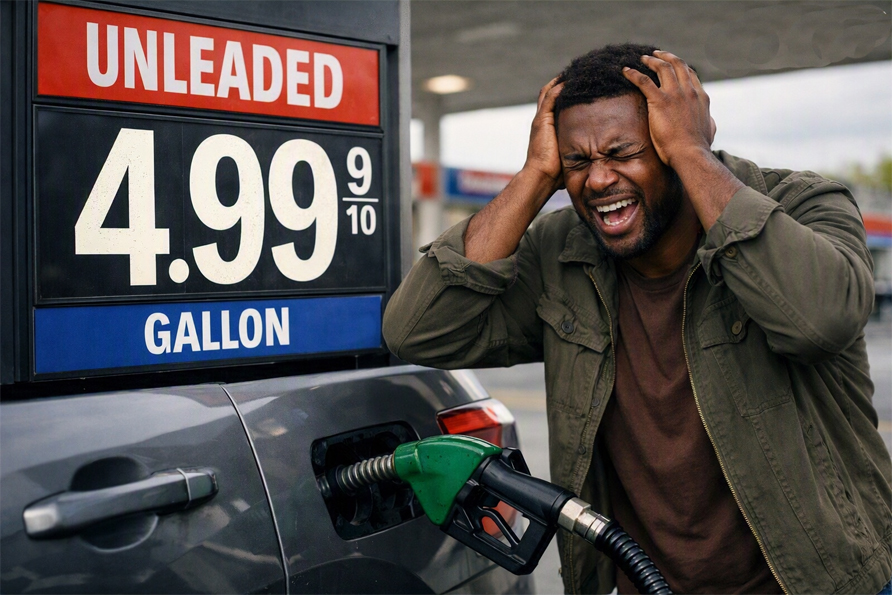
to $4.92
a
gallon,
regular
unleaded
on
Detroit's
east
side is
fluctuating
wildly,
ranging
anywhere
from
$4.47 to
$4.99.
Nowhere
is this
price
war more
visible
than a
busy
eastside
intersection
where
four
competing
service
stations
sit
within
sight of
each
other.
An
independent
discount
station
currently
holds
the
neighborhood’s
lowest
rate at
$4.47
per
gallon—undercutting
two
nearby
major-brand
locations
($4.69)
and a
premium
corner
station,
which
tops the
group at
$4.99.
For
local
motorists,
even a
20- to
50-cent
difference
makes
the
extra
drive
worthwhile.
One
Metro
Detroit
commuter,
who
fuels
vehicles
for both
himself
and his
wife,
said
their
weekly
gas bill
has
soared
to
roughly
$100—adding
up to
$400 a
month.
Having
given up
on
trying
to make
sense of
the
sudden
market
swings,
he now
relies
on
price-tracking
apps and
neighborhood
detours
to find
whatever
is
cheapest.
For
others,
the
surge is
forcing
tougher
choices.
A local
resident
noted
that
rising
fuel
costs
have
directly
squeezed
her
household
budget,
forcing
her to
reallocate
funds
from
groceries
and
utilities
just to
keep her
tank
full
enough
for her
daily
commute.
The
local
squeeze
reflects
a sharp
statewide
spike.
Michigan’s
average
gas
price
surged
by more
than 60
cents in
the past
week
alone,
far
outstripping
national
trends.
Energy
analysts
attribute
the
sudden
jump to
a
volatile
mix of
global
instability,
Midwest
refinery
disruptions,
and
tightening
worldwide
refining
capacity.
If the
current
trajectory
continues,
experts
warn
that
Michigan
could
soon
approach
its
all-time
record
high of
$5.22
per
gallon,
set in
June
2022.
Across
the
region,
frustration
is
giving
way to
fundamental
shifts
in
routine.
To
stretch
a tank,
drivers
are
cutting
out
non-essential
trips,
carpooling,
or
turning
to
public
transit—while
many
others
feel
simply
resigned
to
paying
whatever
price
tag
appears
on the
screen.
|
|
|
|
|
|
|
|
|




 I
HI TECH NEWS
I
SPORTS
I
I
HI TECH NEWS
I
SPORTS
I